


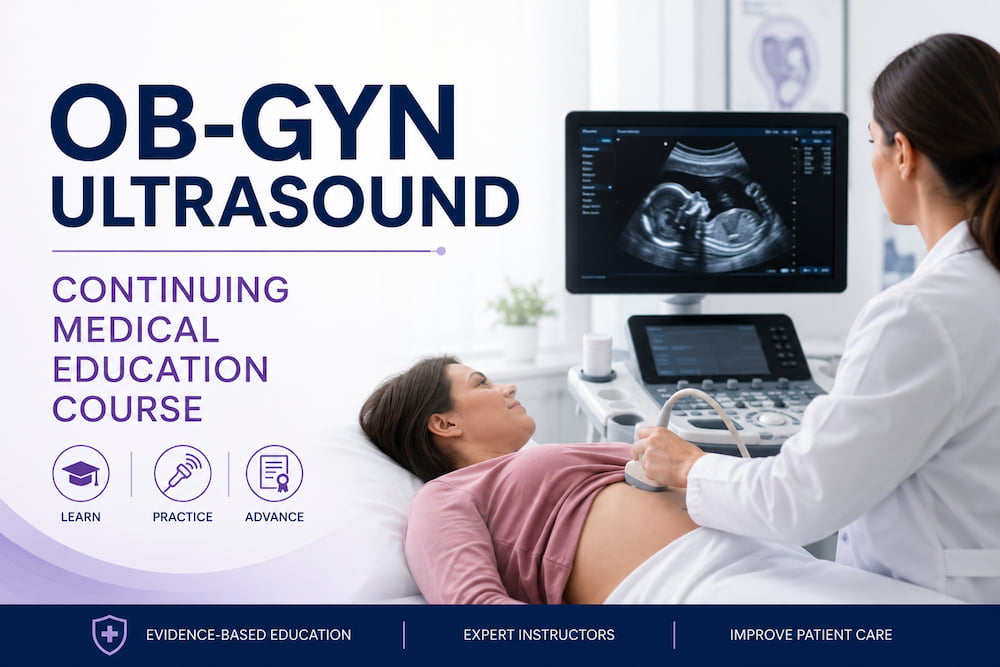
Every day, many medical professionals use ultrasounds to provide important care to patients. In obstetrics and gynecology, ultrasound technology is vital. It helps monitor the health of mothers and their unborn children.
Healthcare providers must keep enhancing their skills through ongoing education. This is especially true for OB-GYN specialists. Keeping up with the latest ultrasound methods can really improve patient care.
Continue reading to discover everything you need to know!
Understanding the Importance of Ultrasound in OB-GYN
Ultrasound technology is a non-invasive way to see inside the body. It uses sound waves to create images of organs and structures. In OB-GYN, ultrasound is particularly valuable for evaluating pregnancy and pelvic health.
Ultrasound can confirm pregnancy. It tracks fetal growth and spots complications. It also helps with treatment choices.
Moreover, the importance of ultrasound extends beyond pregnancy. It’s also used to check for gynecological issues such as fibroids, cysts, and other conditions.
Ultrasound is a key tool for healthcare providers. It can reveal important health information.
The Need for Continuing Medical Education
Continuing medical education (CME) is vital for healthcare workers. It helps them keep up with advancing medical knowledge and technology.
OB-GYN specialists need regular training in ultrasound techniques. This keeps them up to date with the latest skills and information. In today’s fast-paced medical world, old knowledge can cause misdiagnoses or wrong treatments.
CME courses help practitioners enhance their grasp of new ultrasound tech. They also cover recent studies and boost clinical skills. Continuing education isn’t just helpful; it’s often needed to keep your license and stay updated on best practices.
What to Expect from an OB-GYN Ultrasound CME Course
OB-GYN ultrasound CME courses vary in content and delivery methods. However, most courses generally focus on several key areas:
Hands-On Experience
Many OB-GYN ultrasound CME courses include practical sessions supervised by experienced instructors. These sessions allow participants to practice ultrasound techniques in a supportive learning environment. The hands-on approach helps build confidence while improving technical skills and overall understanding.
Updated Guidelines
CME courses give participants access to the newest clinical guidelines and research updates. Staying updated on current recommendations helps practitioners use the best evidence-based practices. This ongoing education supports high-quality patient care and professional growth.
Case Studies
Real-life case studies offer valuable opportunities to learn from actual clinical scenarios. Reviewing patient cases helps participants strengthen their critical thinking and diagnostic abilities.
These experiences boost decision-making skills. They also prepare practitioners for various situations in clinical practice. Overall, these courses aim to empower OB-GYNs with the knowledge and skills needed to provide the highest level of care.
Benefits of Specialized Training
Specialized training in an OB-GYN ultrasound course offers many benefits. It helps healthcare providers improve their skills and enhances patient care. Some of these benefits include:
Improved Diagnostic Accuracy
Knowing ultrasound technology and how to interpret images helps practitioners diagnose more accurately. Enhanced diagnostic accuracy helps identify medical conditions at earlier stages.
Early detection allows healthcare providers to initiate timely interventions when necessary. As a result, patients often experience better health outcomes and improved quality of care.
Enhanced Patient Safety
Healthcare professionals with good ultrasound training spot potential complications more easily. Early identification of concerns allows for prompt and appropriate medical management.
This proactive approach helps minimize risks during pregnancy and other gynecological conditions. Ultimately, enhanced expertise contributes to the safety and well-being of both mothers and babies.
Increased Confidence
Regular training helps healthcare providers improve their knowledge and skills. Greater familiarity with ultrasound procedures increases confidence in diagnosis and treatment decisions.
Confident practitioners communicate better with patients. They also address concerns more effectively. This can lead to higher levels of patient trust and overall satisfaction.
Networking Opportunities
CME courses frequently bring together healthcare professionals from diverse specialties and backgrounds. These events provide valuable opportunities to exchange ideas, experiences, and best practices.
Building professional relationships can encourage collaboration and continuous learning. Such connections can ultimately contribute to improved clinical practices and enhanced patient care.
Finding World-Class CME Opportunities
Choosing the right CME course can be challenging, considering the numerous options available. It’s essential to select a course that is reputable and has a strong focus on ultrasound education.
A great way to find quality OB-GYN ultrasound CME courses is through organizations that focus on continuing education. They often offer well-structured programs tailored to the needs of medical professionals.
For OB-GYN specialists who want to grow their practice, investing in ultrasound continuing education is key. The ability to leverage ultrasound technology effectively can significantly improve patient outcomes.
Courses from World Class CME offer a great mix of theory and practical skills. The ongoing quest for knowledge helps professionals and improves the lives of many patients.
Course Delivery Formats
In recent years, the manner in which CME courses are delivered has also evolved significantly. Medical professionals can now access education in different formats. This makes it easier for them to fit learning into their busy schedules.
Some available delivery formats include:
In-Person Courses
In-person courses use a classic classroom setup. Here, participants learn directly from skilled instructors. These programs offer valuable hands-on training.
You can practice ultrasound techniques in real-world settings. They also promote peer interaction. This helps share knowledge and work together with other healthcare professionals.
Online Courses
Online courses provide a flexible choice for busy healthcare workers who need to manage their time. Participants can access lectures, study materials, and assignments anytime and anywhere.
Many online programs include interactive features like videos, quizzes, and discussion forums. These tools enhance the learning experience.
Hybrid Courses
Hybrid courses mix in-person teaching with the ease of online learning. This format lets participants finish coursework online.
They also gain hands-on experience in face-to-face sessions. Hybrid courses offer flexibility and direct interaction, balancing professional development.
The Future of OB-GYN Ultrasound Education
As technology continues to advance, likely, ultrasound education will also evolve. New imaging techniques, artificial intelligence, and telemedicine could shape the future of OB-GYN ultrasound training. Educational programs must include these advancements so practitioners stay at the top of patient care.
The move to personalized medicine could change how OB-GYN specialists use ultrasound in their work. A tailored approach to patient care makes it vital to accurately interpret ultrasound results.
Your Path in Medical Education
Keeping up with ultrasound technology is essential for OB-GYN practitioners. Continuing medical education is a must, not a choice. With the right training and resources, providers can deliver the most effective care possible. Commit to advancing your education today.
Check our website for more.
Read Also
- Can Outsourced Telepsychiatry Help Healthcare Organizations Keep Pace With Modern Mental Health Screening?
 Mental healthcare is changing quickly, but many hospitals, clinics, schools, correctional facilities, and community health organizations do not have enough psychiatric professionals available to turn new screening approaches into timely clinical care. Outsourced telepsychiatry offers one way to close that gap. FasPsych, for example, connects healthcare organizations with psychiatrists, psychiatric nurse practitioners, and other behavioral… Read more: Can Outsourced Telepsychiatry Help Healthcare Organizations Keep Pace With Modern Mental Health Screening?
 - Five operational checks for choking readiness in healthcare facilitiesA facility can have a choking poster on every wall and still be unprepared. Preparedness shows up when someone can recognize the emergency, call the right response, bring the right people and supplies to the room, and hand over clear information without losing time. That test belongs in operations as well as clinical education. The… Read more: Five operational checks for choking readiness in healthcare facilities
- Understanding the Demand for Correctional Healthcare ProfessionalsHave you ever wondered who cares for people when they get sick inside a prison? Many people do not realize that jails and prisons need skilled medical teams every single day. By reading this guide, you will learn why these important jobs are growing fast and how you can join this rewarding career field. Caring… Read more: Understanding the Demand for Correctional Healthcare Professionals
- Patient Engagement and Pharmaceutical Support Services: Building a Better Patient JourneyPatients rarely experience healthcare as a simple, linear process. They may need to understand a diagnosis, determine whether they qualify for a clinical trial, gather medical records, navigate insurance requirements, arrange transportation, learn how to use a medication, and stay engaged with treatment for months or years. Serva Health is one example of a specialist… Read more: Patient Engagement and Pharmaceutical Support Services: Building a Better Patient Journey
- Industrial Container Recycling and Waste Management Services: A Practical Guide for BusinessesIndustrial container recycling is an essential part of responsible waste management for manufacturers, warehouses, laboratories, automotive businesses, chemical companies, food processors, and other organizations that regularly handle bulk materials. A strong example is Kelly Drums, a Mid-Atlantic provider of reconditioned drums and comprehensive container management solutions. The company specializes in the pickup, recycling, reconditioning, and… Read more: Industrial Container Recycling and Waste Management Services: A Practical Guide for Businesses
- BCBA & RBT Salary by State 2026 | Behavior Analyst PayPay in applied behavior analysis is harder to pin down than in almost any other healthcare field. Two professionals with the same certification can earn $40,000 apart for no reason other than the state line between them. So before you accept an offer, ask for a raise, or relocate for a bigger paycheck, it helps… Read more: BCBA & RBT Salary by State 2026 | Behavior Analyst Pay
- Top Strategies for Integrating Technology into Healthcare TrainingHave you ever wondered how healthcare workers learn new skills as medicine keeps changing? Today, new tools make learning easier, faster, and more flexible for many healthcare workers. Technology in healthcare training helps people learn from almost anywhere and practice skills in safe places. These tools can make learning more fun and easier to remember.… Read more: Top Strategies for Integrating Technology into Healthcare Training
- Why the Future of Healthcare Administration is Cloud-NativeThe operational demands placed on modern healthcare administrators have officially outpaced the capabilities of traditional IT infrastructure. While clinical medicine continues to advance at breakneck speed, the back-office systems required to support it often remain painfully stagnant. Today’s insurers, Third-Party Administrators (TPAs), and provider networks are forced to navigate an avalanche of daily claims, aggressive… Read more: Why the Future of Healthcare Administration is Cloud-Native





for more.
